

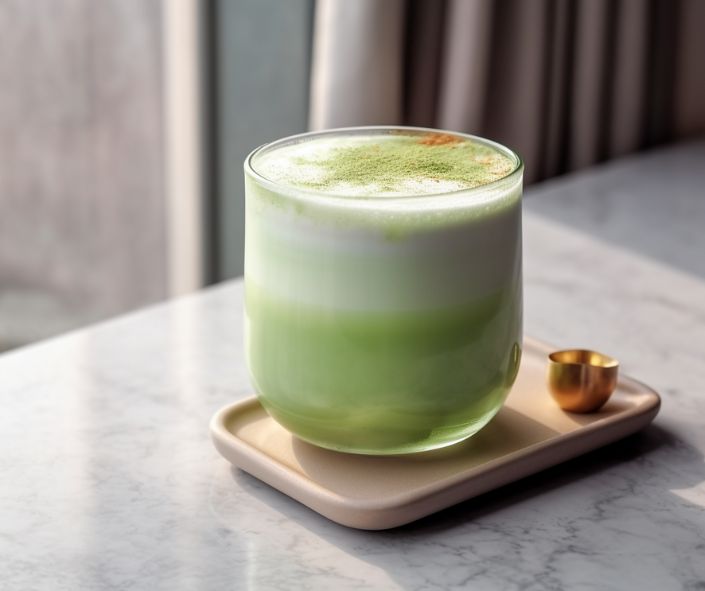
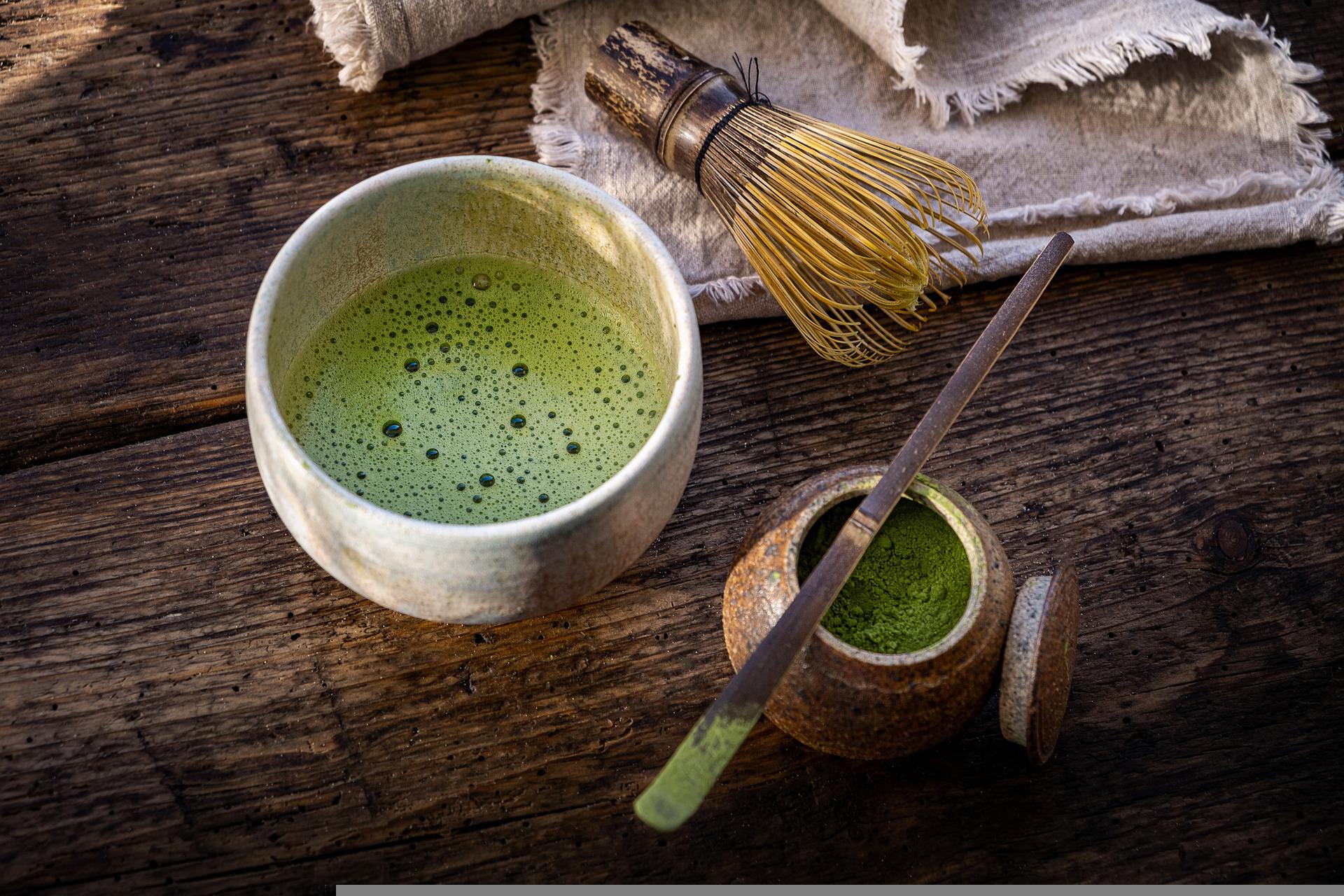
Are you one of those people who hears about the wonders of matcha tea and gets curious? You're definitely not the only one. More and more people are jumping on board with this green powder that has won over half the world. But is it as amazing as they say? And most importantly, does matcha tea keep you awake? If you've ever wondered, then keep reading, because this is going to interest you.
In this article we're going to explore all the details about matcha tea: what happens if you drink it at night, the best time to enjoy it, and when you'd be better off skipping it. Let's get to it!
What happens if I drink matcha tea at night?
You've probably heard that matcha tea gives you an energy boost, and that's true… but what if you drink it before bed? Well, this is where the adventure begins. Matcha tea contains caffeine, and although many consider it a healthier option than coffee, the reality is that it can keep you awake if you drink it too late, just like coffee does.
To understand this, we need a quick aside about caffeine. Matcha tea doesn't only contain caffeine; it also contains L-theanine, an amino acid that helps reduce stress and anxiety. That's why many people feel more relaxed and focused when they drink matcha tea. However, the caffeine is still there, and if you're sensitive to it, even a small amount can switch your body on at the wrong time.
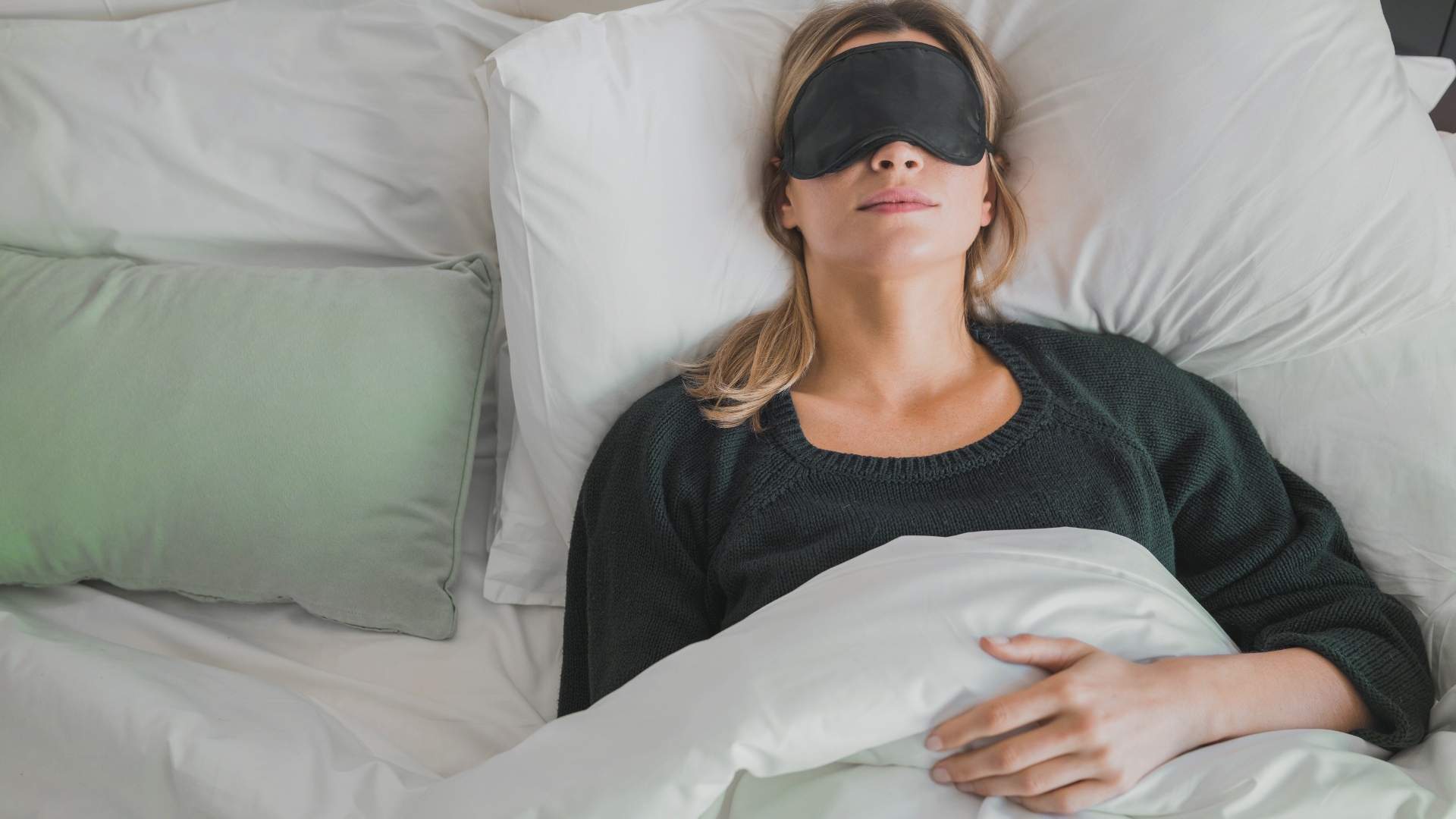
In practical terms, drinking matcha tea at night can keep your body active and stop you from getting proper rest. If you have a cup before bed, the caffeine can keep you awake for hours, leaving you tossing and turning instead of resting. This can be especially true if you have a low caffeine tolerance or if you already struggle to fall asleep.

What's the best time to drink matcha tea?
Ideally, you should drink your matcha tea in the morning or early in the afternoon, when your body is better prepared to handle caffeine. In fact, it's a great way to start the day with energy or to stay active through the afternoon without the ups and downs that coffee often gives you.
If you're one of those people who feels a bit groggy in the early hours, a cup of matcha tea is just what you need. In fact, it's perfect for replacing your morning coffee, since the caffeine effect is gentler and longer-lasting thanks to the combination with L-theanine. That way, you won't get the energy crash so typical after a coffee.
As for the afternoon, it'll depend on whether you're very sensitive to caffeine. Although its effect can be milder than coffee's, if you drink it too late you could have trouble sleeping, which is a pain if you need to rest to perform the next day.
When should you not drink matcha tea?
Even though matcha tea is an incredibly healthy drink with loads of benefits, there are times when it's not the best option. If you find yourself in any of the following situations, it might be a good idea to leave the matcha on the shelf for a while:
1. If you're sensitive to caffeine
If you're one of those people who gets hyperactive just from smelling coffee, you should probably avoid drinking matcha tea in the afternoon or evening. Matcha tea keeps you awake if you drink it late because the caffeine can give you a jittery feeling that makes it hard to fall asleep or rest well.
2. If you're taking medication for anxiety or insomnia
Matcha tea can interact with some medications, especially anti-anxiety drugs or sedatives. This can make the medication less effective, or even cause unwanted side effects. If you're taking any medication of this kind, it's important to check with your doctor before adding matcha tea to your daily routine.
3. If you have digestive issues
In some people, matcha tea can cause stomach discomfort if taken on an empty stomach or in large amounts. Although it's very rare, if you notice it doesn't sit well with you, it's best to reduce the amount you drink or have it together with food.
4. If you have chronic sleep problems
If you already suffer from insomnia or have trouble sleeping for other reasons, matcha tea might not be the ideal thing to have before bed. Caffeine, although milder than in coffee, is still a stimulant. If you drink it too close to bedtime, you could be worsening your rest without realising it.
If you have trouble sleeping, here's one of our most requested products: ¡A dormir!, a unique infusion that will help you switch off completely so you can get the rest your body and mind need.

How does matcha tea affect your sleep?
Matcha tea affects sleep mainly through its caffeine content. As we know, caffeine is a central nervous system stimulant. That means it keeps you alert and awake, which isn't exactly what you're after if you're trying to sleep.
But, as we mentioned earlier, matcha has a "double effect". The caffeine gives you that energy boost, but the L-theanine also helps you relax. This creates a unique balance, and many people notice that matcha gives them energy without the nervous "rush" that coffee causes.
However, if you're very sensitive to caffeine, even that small "rush" could affect your sleep. In those cases, it's best to avoid it at night and choose another relaxing infusion, such as valerian or chamomile, which help you fall asleep more naturally.

Health benefits of matcha tea
Before we finish, we don't want to skip all the benefits matcha tea has for your health. Although we've talked a lot about how it can affect sleep, we can't forget that this superfood is an incredible ally for your general wellbeing. Here are some of its best-known benefits:
Powerful antioxidant: Matcha is packed with antioxidants, which help fight free radicals and prevent premature ageing. That makes it a great ally for looking after your skin and immune system.
Improves concentration: Thanks to the combination of caffeine and L-theanine, matcha improves concentration and focus, making it an excellent choice before an important meeting or when you need a productivity boost.
Speeds up metabolism: Matcha tea has been shown to be effective at speeding up the metabolism, which is useful if you're trying to lose weight or stay in shape.
Reduces stress: L-theanine also has relaxing properties, which means matcha tea can help you reduce stress and anxiety, without the jitters associated with other caffeinated drinks.
Improves cardiovascular health: Some studies suggest that matcha tea may help reduce the risk of heart disease, thanks to its antioxidant compounds.

Matcha tea is a drink that can offer you plenty of benefits, but, as with everything, moderation is key. If you're sensitive to caffeine or have trouble sleeping, the best option may be to avoid it at night.
If you haven't tried matcha tea yet, or if you're looking for quality options to add it to your routine, we invite you to discover our products. Head to our website and take a look — you won't regret it!
Share: