


If you've ended up here, it's because someone told you about matcha with a sparkle in their eyes. Matcha has made its way into cafés, kitchens and social media, and plenty of people are still wondering the same thing: what does matcha taste like?
Spoiler: it doesn't taste like a vanilla milkshake, but it's not the alien brew some people imagine either. The truth is it has a very particular flavour, and that's part of its charm.
First, what is matcha?
Before we talk about its flavour, it helps to know what we're dealing with. Matcha tea is a type of Japanese green tea that's ground into an ultra-fine powder. But not just any green tea: it's tea grown with care, shaded from the sun during the last few weeks before harvest, and processed with millimetric precision.
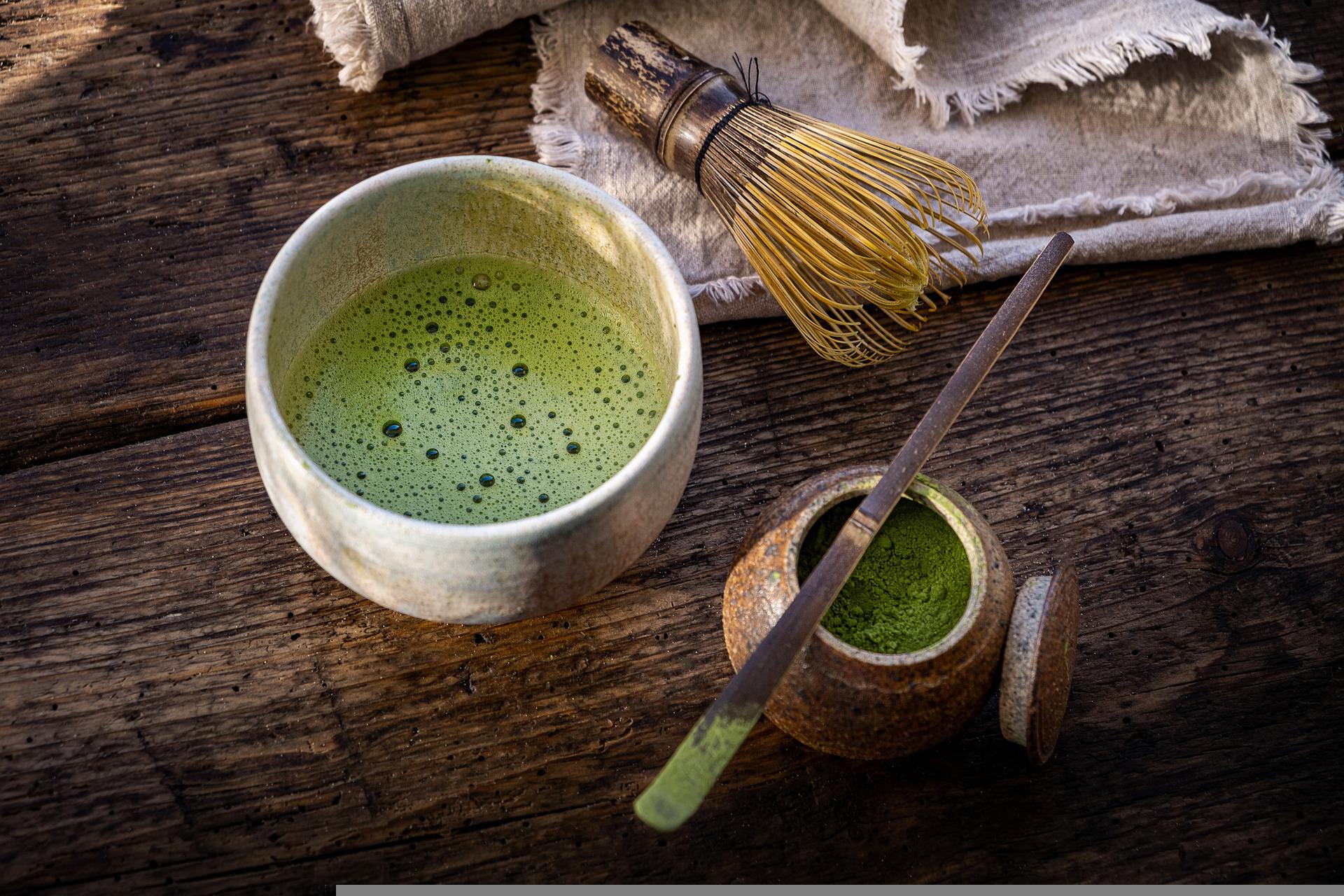
It isn't steeped like a regular tea. There are no tea bags or loose leaves floating in water here. The powder is mixed straight into the water, so you're drinking the whole leaf, with all its properties... and yes, all its flavour too.
The taste of matcha: not what you expect (or maybe it is)
Here comes the big question: what does matcha taste like?
The short answer: fresh grass, umami, a slightly bitter note... but also smoothness, something vegetal, something that doesn't taste like anything you've tried before. It sounds odd, but in a good way.
It's a complex flavour, and that's what makes it so interesting. It's definitely not sweet, but it's not bitter like a black coffee either.
In short: the taste of matcha is vegetal, intense and a little creamy. It might remind you of nori seaweed, spinach, dark chocolate or even Japanese dashi broth. It depends a lot on your palate... and your expectations.

And matcha with milk?
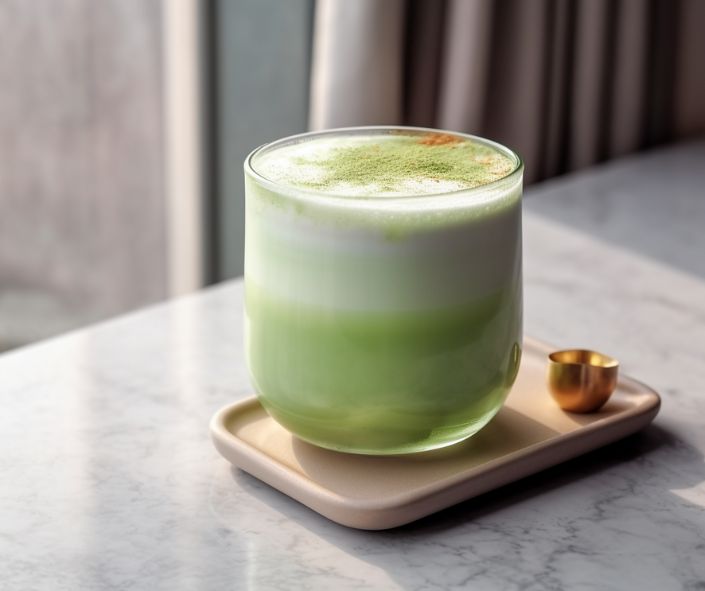
Great question! If you're just starting out and the flavour feels too strong, a very popular option is matcha with milk. Also known as a matcha latte, it's basically matcha dissolved in milk (dairy, plant-based, whatever you prefer) and sometimes sweetened.
So, what does matcha with milk taste like? Well, it changes quite a bit. The milk softens the bitterness and balances out matcha's vegetal profile. If you use oat milk, for example, the result can be surprisingly sweet and pleasant. Almond milk gives it a toasted vibe. Cow's milk, more creaminess. And if you dare with coconut milk... get ready for a pretty exotic mix.
Matcha with milk is a great gateway if you're not sold on it with just water. It still tastes like matcha, but with less intensity.
Why do some people love it and others think it tastes like lawn clippings?
Let's be honest: the taste of matcha isn't for everyone. Some people try it and fall in love instantly... and others pull a face as if they were eating a chunk of dirt.
This happens for two reasons. The first is that matcha has a flavour that's new to most of us. In Spain we're not used to drinks with that vegetal profile. And second, not all matcha is the same.
Yes, you read that right. A quality matcha is nothing like one bought from the cheapest website around. So if your first encounter was with one of those low-quality matchas, give it another chance with the most delicious matcha out there: Matchaflix!

So, how do I know if I'll like it?
Good question. If you like intense, slightly bitter flavours with that "green" edge you get from spinach, broccoli or green tea, chances are you'll love matcha. If you're more into sweet or mild things, you might need a bit more time, or prefer to try our flavoured matchas (they're an ideal way to start).
A tip: try it with milk first, whisked well with the chasen, hot or cold, and lightly sweetened. If that wins you over, you can then move on to purer versions. But if you can't even manage that... well, no worries, you can always try our lattes or our infusions.
Does the way you prepare it matter?
A lot. The flavour of matcha changes depending on how you mix it. Here are a few variables:
Water temperature: If you use very hot (boiling) water, you can scorch the powder and make it taste more bitter.
Amount of matcha: If you overdo the powder, it'll come out dense and very strong.
Whisking technique: Yes, whisking well is key. If you don't dissolve it properly, you end up with lumps and an uneven flavour.
Powder quality: We've said it already, but we'll say it again. A good-quality matcha has a smoother, more balanced flavour.
The final verdict
So, after all this, what does matcha taste like? Well, it tastes like matcha. Like concentrated nature.
You might love it or you might not be convinced. But one thing's clear: it won't leave you indifferent. If you want to discover a new flavour, one that's unlike any other, give it a chance.
And remember: if you don't like it the first time, don't give up. Sometimes the most special flavours take a little while to win you over. But when they do… they really do.

Share:
Alba Bernardo
Cofundadora en Matchaflix
Alba, hermana de David, es una apasionada del bienestar y de los productos naturales. Como cofundadora de Matchaflix, se ha unido al blog para compartir su amor por el matcha, ofreciendo recetas originales y consejos prácticos para integrarlo en el día a día. Su enfoque creativo y cercano hace que cada receta sea fácil de seguir y perfecta para cualquier ocasión.