

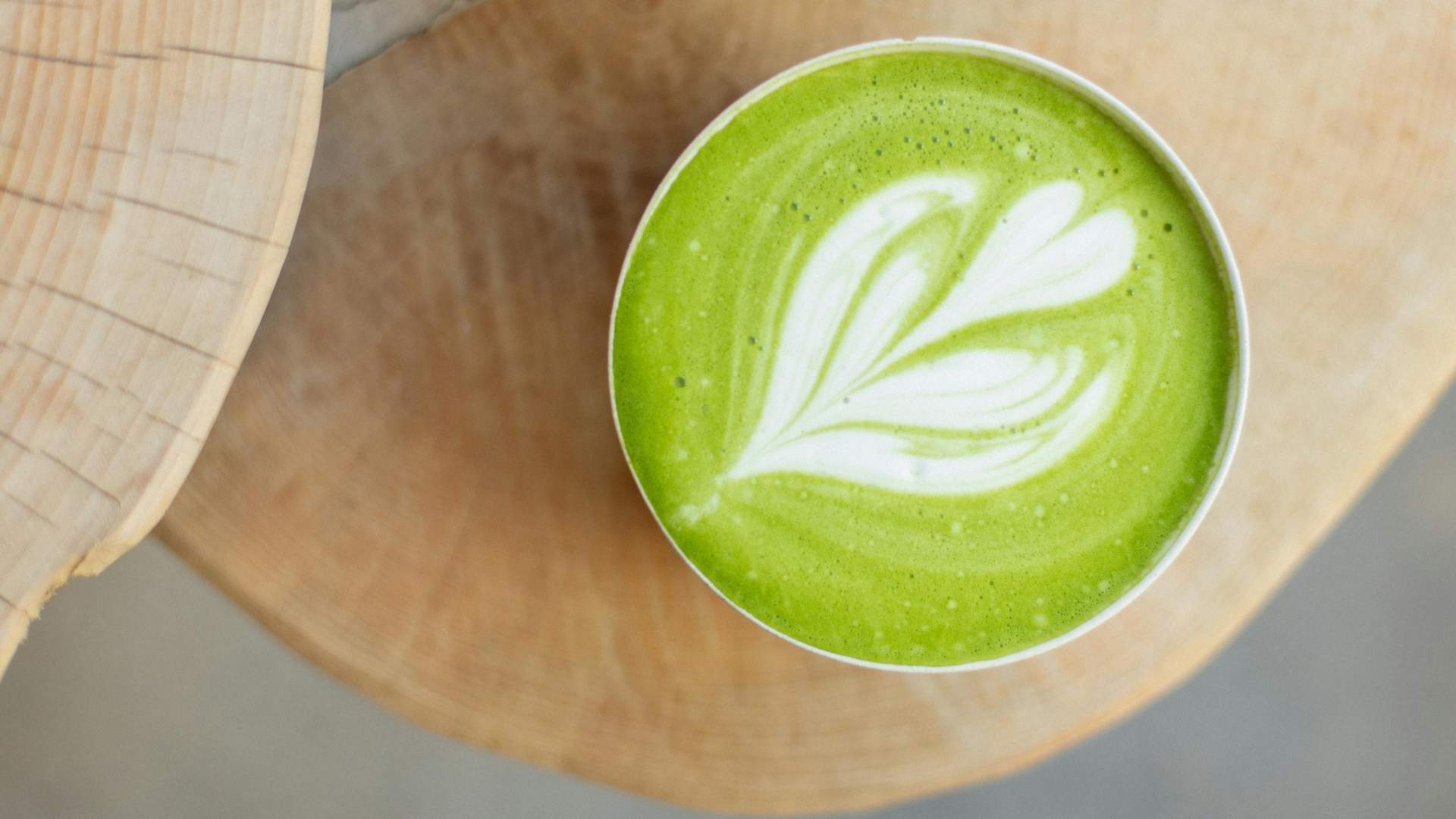
Matcha tea has gone from being an almost exclusive ingredient of Japanese culture to becoming a staple in many kitchens and cafés around the world. If you drink it often, you'll know that not all matcha is the same. The colour, the flavour, the texture and the use we give it depend a lot on its quality. That's why it's common to come across different types of matcha on the market. Some are meant to be drunk on their own or with your favourite milk, others work better in recipes, and there are also in-between versions that combine good quality and versatility.
Understanding these differences will always help you choose better what you're looking for. It's not just about buying matcha, but about knowing what you're drinking and what it's designed for. In this guide you'll see how matcha grades are classified, which are the most common and which type suits you best.
How many types of matcha are there?
If you start looking for information about matcha, you'll see lots of different names appear, like ceremonial, premium, culinary, etc. This can cause some confusion. In reality, most classifications come down to three main categories.
These three types of matcha differ mainly in the quality of the leaf used, the time of harvest and the grinding process.

Ceremonial matcha
Ceremonial matcha is the highest grade within matcha tea. It's made with the youngest leaves of the tea plant, grown in the shade for several weeks before harvest. This method increases the chlorophyll and amino acid content, especially L-theanine, which translates into a smoother flavour.
Its colour is usually a very intense, bright green. When prepared correctly, the texture is fine and the foam forms easily.
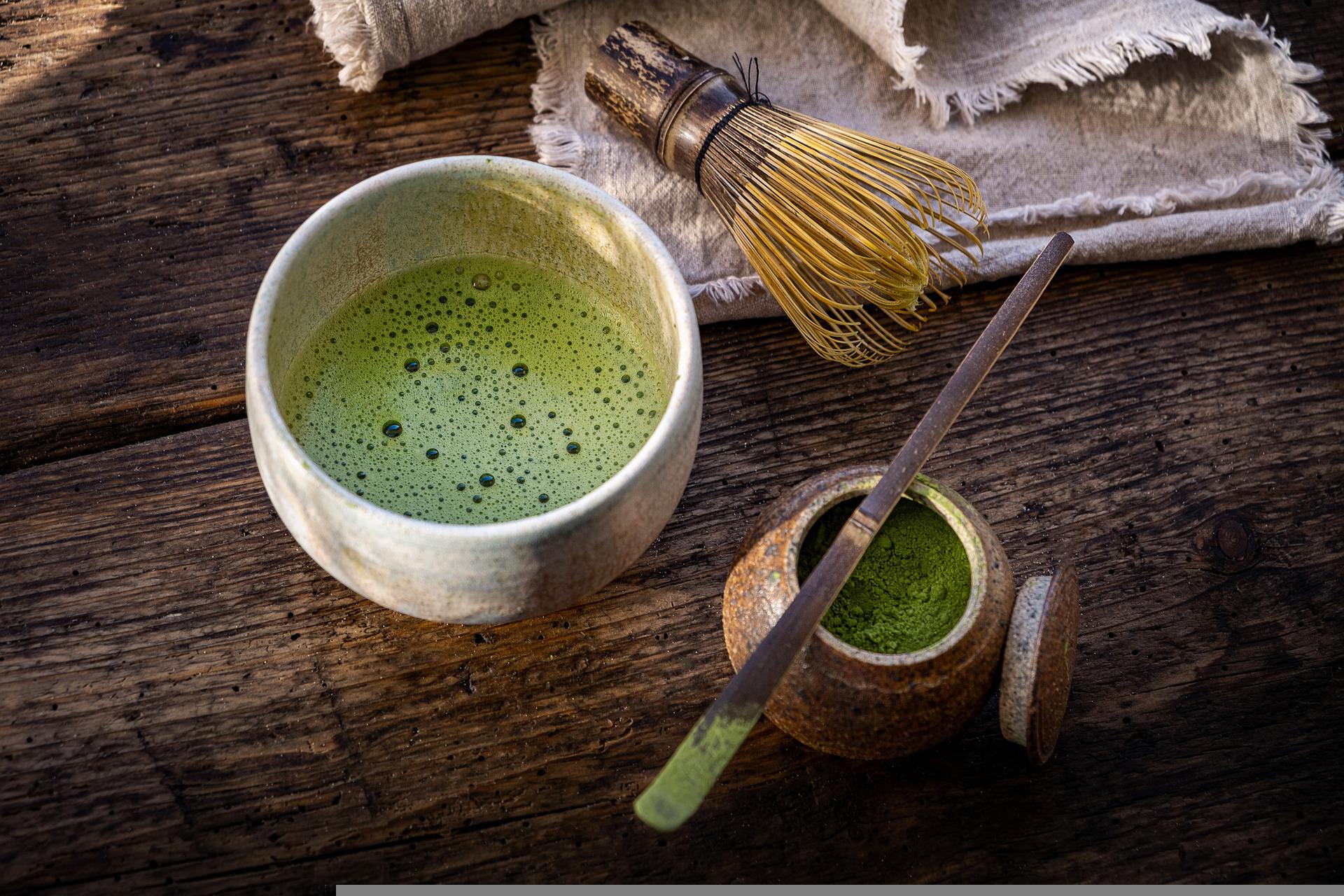
This type of matcha is traditionally used in the Japanese tea ceremony and is meant to be drunk on its own, mixed only with hot water.
It has a rather distinctive flavour (in the good sense of the word), with vegetal notes, a slight sweet touch and a very mild bitterness.

Premium matcha
Premium matcha sits just below ceremonial in terms of quality, although it's still a high-level product. It also comes from leaves grown in the shade, but slightly more mature leaves or later harvests are usually used.
This makes the flavour more intense and with a more pronounced vegetal touch. Even so, it's still a pleasant option to drink on its own, although many people prefer it as a matcha latte.
Its colour is still bright green, although it can be a little less luminous than ceremonial. If you're looking for a balance between quality and versatility, this grade is usually the best choice.

Culinary matcha
Culinary matcha is specifically designed for cooking. It's made with more mature leaves of the plant, which results in a stronger flavour and a more pronounced bitterness.
This type of matcha works very well when mixed with other ingredients. For example, in baking, smoothies, ice creams or sponge cake batters.
Its colour is usually a darker or slightly duller green compared to the other grades. This doesn't mean it's a low-quality matcha, but that it's designed for a different use.
Now the big question: which type of matcha is best?
Choosing between the different types of matcha depends above all on how you're going to drink it.
If you're looking for the highest quality to prepare it just with water, ceremonial matcha is usually the best option for its smoother flavour, and the favourite of most matcha tea lovers.
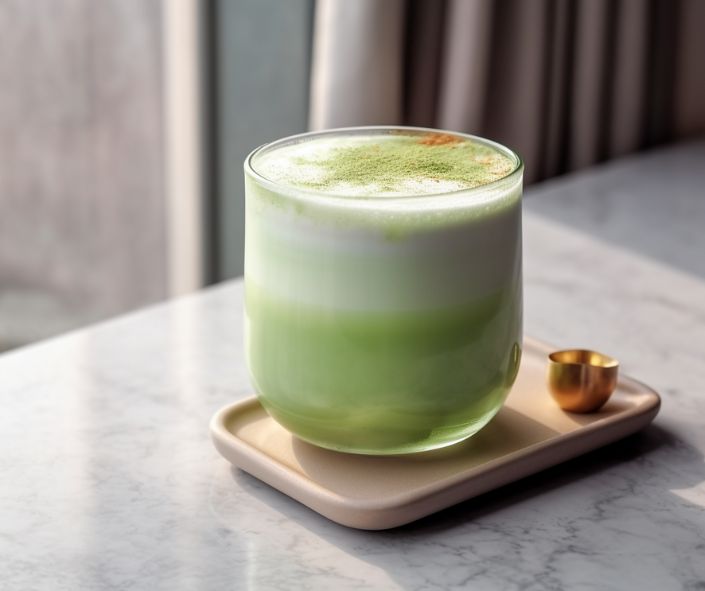
If you prefer to have it with milk and more on a daily basis, for example at breakfast time, premium matcha usually works very well.
On the other hand, if you're going to include it in your recipes, culinary matcha is what you're looking for, since it has a more intense flavour and holds up better when mixed with other ingredients.
Rather than trying to find the best matcha, what really matters is that it fits the way and the moment in which you consume it. That's why, before focusing only on the label or the price, you should be clear about how you're going to drink it.
From there, there are several details that can help you recognise a good product.
The colour, for example, says quite a lot: a quality matcha usually has a vivid, even green. The texture is also noticeable straight away, because the powder should be very fine and easy to blend when preparing it. On top of that there's the aroma, which is normally fresh, vegetal and clean, with no dull notes.
The keys to telling them apart
As a summary, it's worth remembering what sets the main types of matcha apart:
Ceremonial matcha is the highest quality. It's produced with the youngest leaves, has a smooth flavour and is meant to be drunk just with water.
Premium matcha keeps a high quality but offers more versatility. It works well both on its own and in drinks with milk.
Culinary matcha is designed for recipes. Its flavour is more intense and its price is usually more affordable.
These three categories help guide you, but within each one there can be important differences depending on the producer and the origin.
That's why it's worth trying different matchas until you find the one that best suits your taste.
If you still haven't tried our matcha tea, you have plenty of options on our website. We have options both for people who want to get started in this little world and for the most demanding palates. Come in and find the matcha you need!

Share:
David Bernardo
Matchaflix's CEO
David is the founder and CEO of Matchaflix, a company born out of his passion for matcha tea and a healthy lifestyle. With extensive experience in the business world, David has led Matchaflix to become a leader in high-quality matcha products. Always looking to innovate, he now shares his knowledge about this wonderful tea on the blog, where you’ll find recipes, tips, and fun facts to help you enjoy matcha to the fullest.