


You fancy a matcha at nine in the evening and suddenly the doubt hits you: can you drink matcha tea at night, or will I spend the night counting sheep until four in the morning? Don't worry, you're not the only person this question has occurred to. Matcha has a reputation for being coffee's zen cousin, but it also carries a good dose of caffeine, and that's the heart of the matter.
Let's break the subject down without beating around the bush, so you know exactly what to do when you get the urge to make a matcha at those hours when this doubt creeps in, what alternatives you have and how to find the perfect balance.

What happens if I drink matcha tea before sleeping?
To understand what happens to your body when you down a matcha before bed, we have to talk about two substances that live inside those little green leaves: caffeine and L-theanine. You know caffeine all too well, it's the one responsible for waking you up, making your heart speed up a little and taking your brain from "pause mode" to "full throttle". A cup of matcha has between 30 and 70 mg of caffeine, depending on the amount you use and the quality of the powder. To give you an idea, an espresso is around 65-80 mg, so a good strong matcha can come pretty close. And if on top of that you use good-quality ceremonial matcha, which is more concentrated and purer, the caffeine content is usually at the higher end of the range.
L-theanine is an amino acid that promotes relaxation without leaving you like a zombie, and it's what softens the caffeine rush. That's why matcha is said to "wake you up without the nerves". The feeling is real: it activates your mind but doesn't get you wired, and that's great in the morning when you wake up, or even after lunch. But at night? Here things change a little.
The thing is that even though L-theanine relaxes you, the caffeine keeps working for hours. Its half-life in the body is about 5 or 6 hours, which means that if you make a matcha at eleven at night, at four or five in the morning you still have half of it floating around your body. That translates, depending on how your body reacts, into one of these situations: falling asleep late, waking up several times, sleeping badly without realising it, or noticing absolutely nothing. Yes, there are people with a type of metabolism who can have a matcha at eleven and drop off at half past. Genetic lottery, what can you do.
What determines whether it affects you more or less?
Caffeine sensitivity depends on a whole load of factors: your weight, your age, whether or not you smoke, whether you take certain medications, and even a specific genetic variant that determines how your liver metabolises this substance. Some people process it in the blink of an eye and others drag it out all night. If you've never stopped to think about which group you're in, the most likely thing is that your body has already told you a thousand times, even if you haven't listened. Has it ever happened that you had a coffee after lunch and noticed that it was harder to fall asleep that night? Well, something similar can happen with matcha.
If you're wondering whether you can drink matcha tea at night in your particular case, the short answer is: it depends. It depends on your caffeine sensitivity, your sleep routine, the amount you have and exactly what time you have it. A young person, with no sleep problems and who tolerates coffee well, can probably allow themselves a matcha after dinner. But if you're one of those people who, with a coffee at five in the afternoon, already notices yourself tossing and turning in bed, it's better to have another infusion you can enjoy without fear of waking up the next morning like a panda bear.

What's the best time of day to have matcha?
If what you want is to get the most out of everything good about matcha without risking your sleep, the ideal window is between nine in the morning and two or three in the afternoon. That's when the body most appreciates the green energy boost it gives you, and when the caffeine still has time to leave before it's time to head back to bed.
Many people make themselves a bowl first thing, instead of coffee, and notice the difference from day one. The energy matcha gives is more stable; you don't get that mid-morning slump that leaves you with a zombie face in front of the computer. At Matchaflix we highly recommend this option because it's a way to start the day with focus, without the jitters and with a clear head.
In the mid-afternoon, around four or five, it can also work well if you need a push to finish the day, but watch out: if you're sensitive to caffeine, you're already flirting with insomnia. After that hour, the most sensible thing is to switch to caffeine-free options. There are infusions that give you loads of benefits without disturbing you at all, and they're perfect for that window between finishing dinner and getting into bed. You have all kinds of infusions on our website; take a look here.
Going back to the original question, drinking matcha tea at night isn't the best idea for some people. Nothing terrible is going to happen to you, but you're putting obstacles in the way of your rest for no reason. And sleep, as you know, is where your body repairs itself, where your brain sorts the information and where your energy settles for the next day. Sacrificing that for a nighttime whim doesn't really pay off, especially when you can enjoy exactly the same drink a few hours earlier or choose other infusions that help you get a good rest.
Alternatives for when you fancy something warm at night
If what you love about matcha is the ritual, the flavour, the moment of pause that making it involves, whisking it with the chasen and watching that characteristic little green foam form… there are alternatives perfectly compatible with sleeping like a log. You can get ahead and have it as an afternoon snack instead of after dinner. Or save that nighttime slot for a relaxing infusion that prepares your body for sleep, like rooibos, chamomile, lemon balm or linden.
Looking for an in-between option? Something with a little caffeine but less than a coffee or matcha tea. Well, don't think about it any longer, because we have the product you're looking for: hojicha tea.
 Now that you know a little more about whether you can drink matcha tea at night, if you still want to experiment, try a very small amount, a mild matcha and at least three or four hours before going to bed. Notice how it makes you feel, pay attention to how you sleep that night and, based on that, decide whether your body handles it well or whether it's better to leave it for the mornings.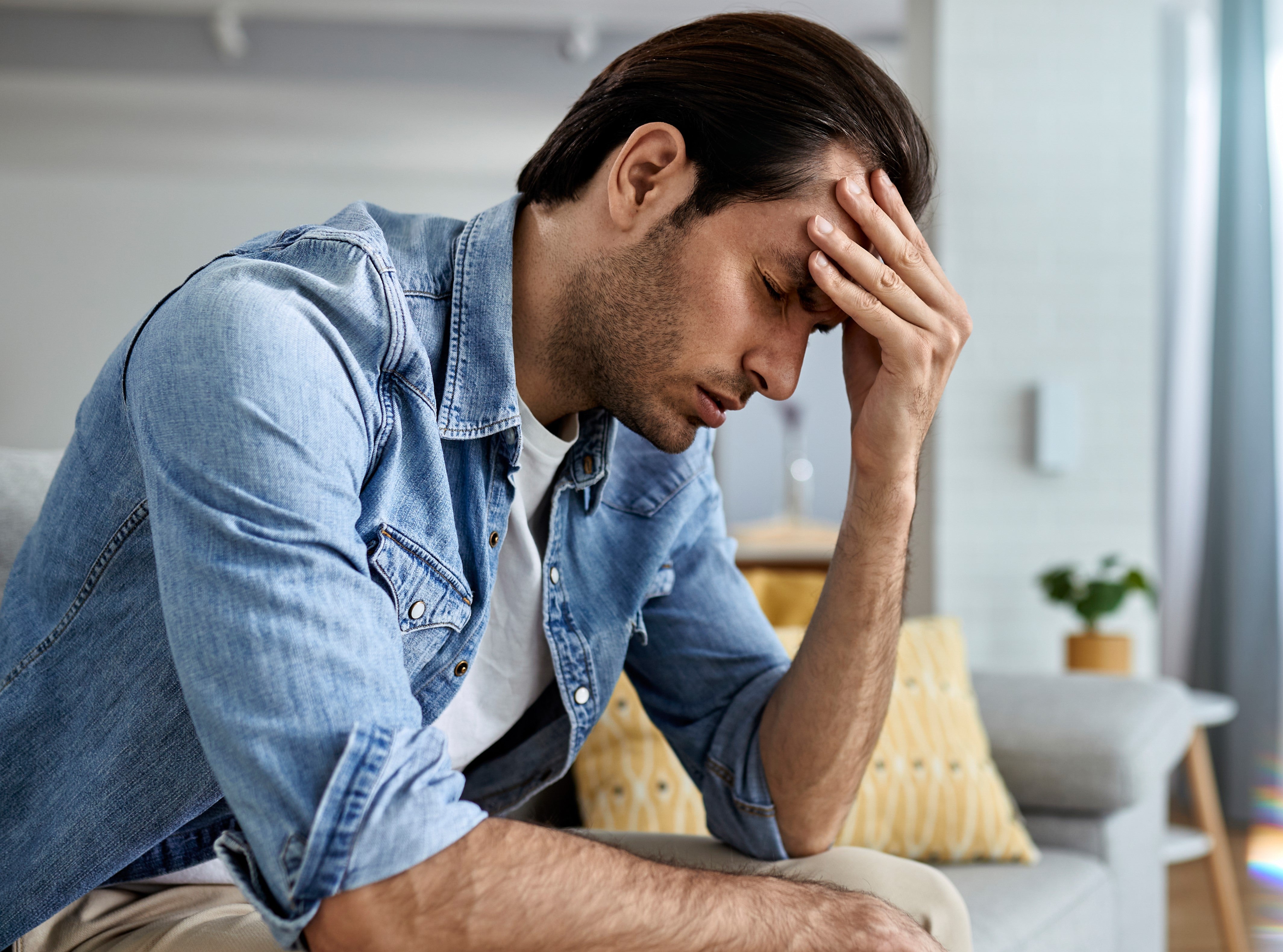

Share:
David Bernardo
Matchaflix's CEO
David is the founder and CEO of Matchaflix, a company born out of his passion for matcha tea and a healthy lifestyle. With extensive experience in the business world, David has led Matchaflix to become a leader in high-quality matcha products. Always looking to innovate, he now shares his knowledge about this wonderful tea on the blog, where you’ll find recipes, tips, and fun facts to help you enjoy matcha to the fullest.